二叉搜索树迭代器

二叉搜索树迭代器

1.题目内容

实现一个二叉搜索树迭代器类BSTIterator ,表示一个按中序遍历二叉搜索树(BST)的迭代器:

  • BSTIterator(TreeNode root) 初始化 BSTIterator 类的一个对象。BST 的根节点 root 会作为构造函数的一部分给出。指针应初始化为一个不存在于 BST 中的数字,且该数字小于 BST 中的任何元素。
  • boolean hasNext() 如果向指针右侧遍历存在数字,则返回 true ;否则返回 false
  • int next()将指针向右移动,然后返回指针处的数字。

注意,指针初始化为一个不存在于 BST 中的数字,所以对 next() 的首次调用将返回 BST 中的最小元素。

你可以假设 next() 调用总是有效的,也就是说,当调用 next() 时,BST 的中序遍历中至少存在一个下一个数字。

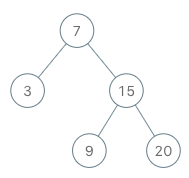
示例:
img

1
2
3
4
5
6
7
8
9
10
11
12
13
14
15
16
17
输入
["BSTIterator", "next", "next", "hasNext", "next", "hasNext", "next", "hasNext", "next", "hasNext"]
[[[7, 3, 15, null, null, 9, 20]], [], [], [], [], [], [], [], [], []]
输出
[null, 3, 7, true, 9, true, 15, true, 20, false]

解释
BSTIterator bSTIterator = new BSTIterator([7, 3, 15, null, null, 9, 20]);
bSTIterator.next(); // 返回 3
bSTIterator.next(); // 返回 7
bSTIterator.hasNext(); // 返回 True
bSTIterator.next(); // 返回 9
bSTIterator.hasNext(); // 返回 True
bSTIterator.next(); // 返回 15
bSTIterator.hasNext(); // 返回 True
bSTIterator.next(); // 返回 20
bSTIterator.hasNext(); // 返回 False

提示:

  • 树中节点的数目在范围 [1, 105]
  • 0 <= Node.val <= 106
  • 最多调用 105hasNextnext 操作

2.解法

迭代

思路及算法

通过迭代的方式对二叉树做中序遍历。此时,我们无需预先计算出中序遍历的全部结果,只需要实时维护当前栈的情况即可。

代码

1
2
3
4
5
6
7
8
9
10
11
12
13
14
15
16
17
18
19
20
21
22
23
24
//C++
class BSTIterator {
private:
TreeNode* cur;
stack<TreeNode*> stk;
public:
BSTIterator(TreeNode* root): cur(root) {}

int next() {
while (cur != nullptr) {
stk.push(cur);
cur = cur->left;
}
cur = stk.top();
stk.pop();
int ret = cur->val;
cur = cur->right;
return ret;
}

bool hasNext() {
return cur != nullptr || !stk.empty();
}
};
1
2
3
4
5
6
7
8
9
10
11
12
13
14
15
16
17
18
19
20
21
22
23
24
25
//Java
class BSTIterator {
private TreeNode cur;
private Deque<TreeNode> stack;

public BSTIterator(TreeNode root) {
cur = root;
stack = new LinkedList<TreeNode>();
}

public int next() {
while (cur != null) {
stack.push(cur);
cur = cur.left;
}
cur = stack.pop();
int ret = cur.val;
cur = cur.right;
return ret;
}

public boolean hasNext() {
return cur != null || !stack.isEmpty();
}
}

复杂度分析

  • 时间复杂度:显然,初始化和调用 hasNext()都只需要 O(1) 的时间。每次调用 next() 函数最坏情况下需要 O(n)的时间;但考虑到 n 次调用 next() 函数总共会遍历全部的 n 个节点,因此总的时间复杂度为 O(n),因此单次调用平均下来的均摊复杂度为 O(1)。

  • 空间复杂度:O(n),其中 n 是二叉树的节点数量。空间复杂度取决于栈深度,而栈深度在二叉树为一条链的情况下会达到 O(n) 的级别。